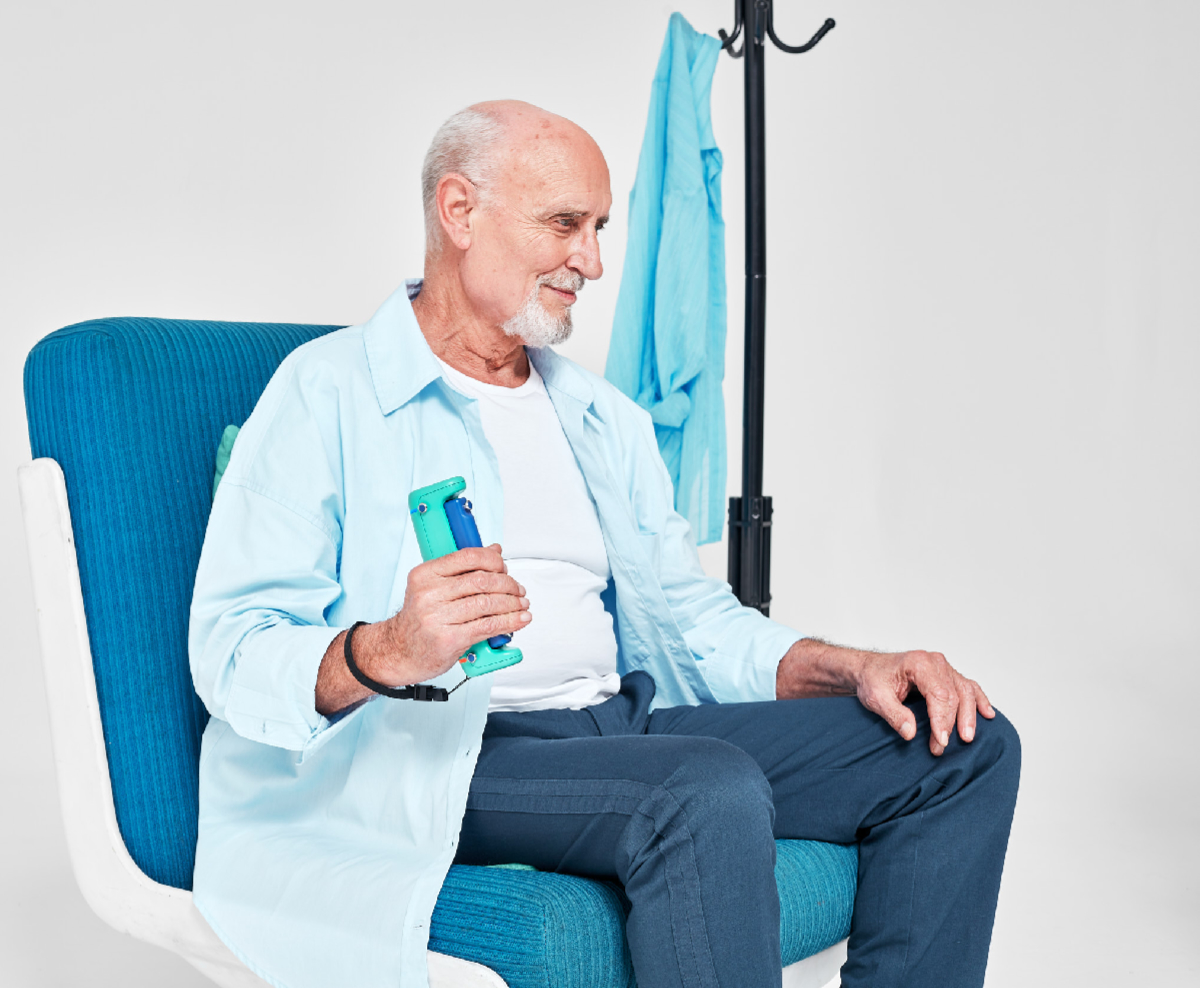
Able Assess for Families: A Simple Falls Check
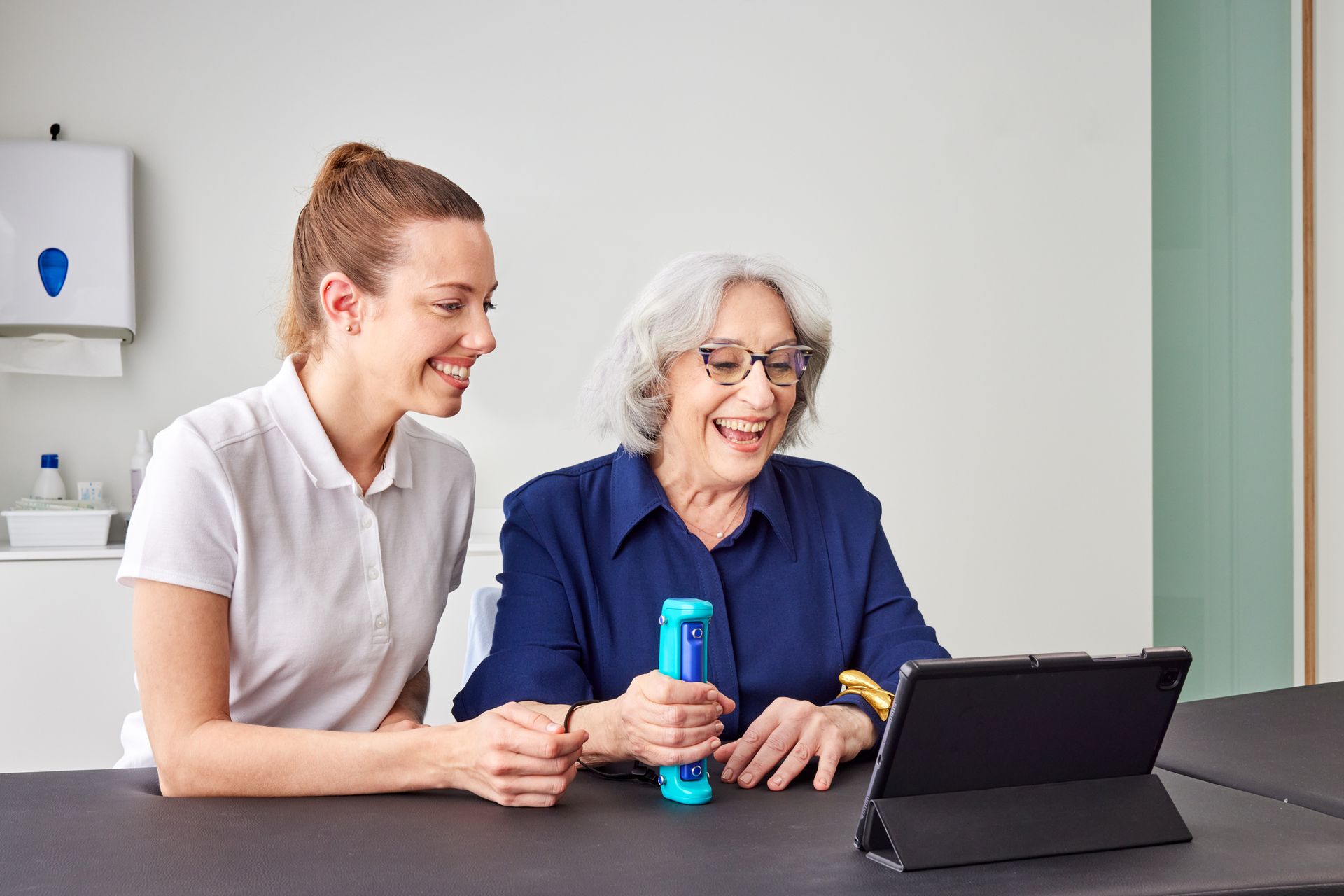
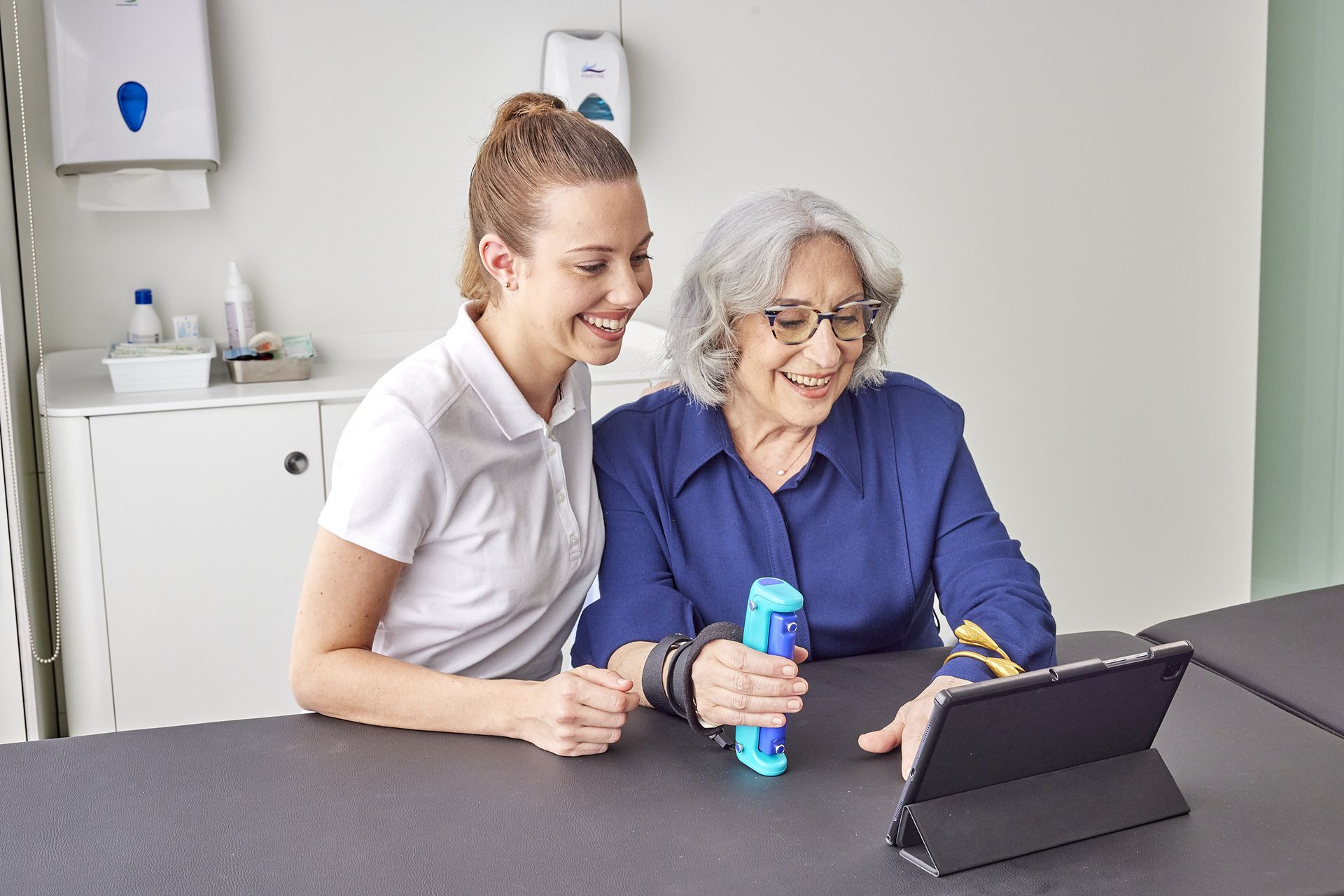
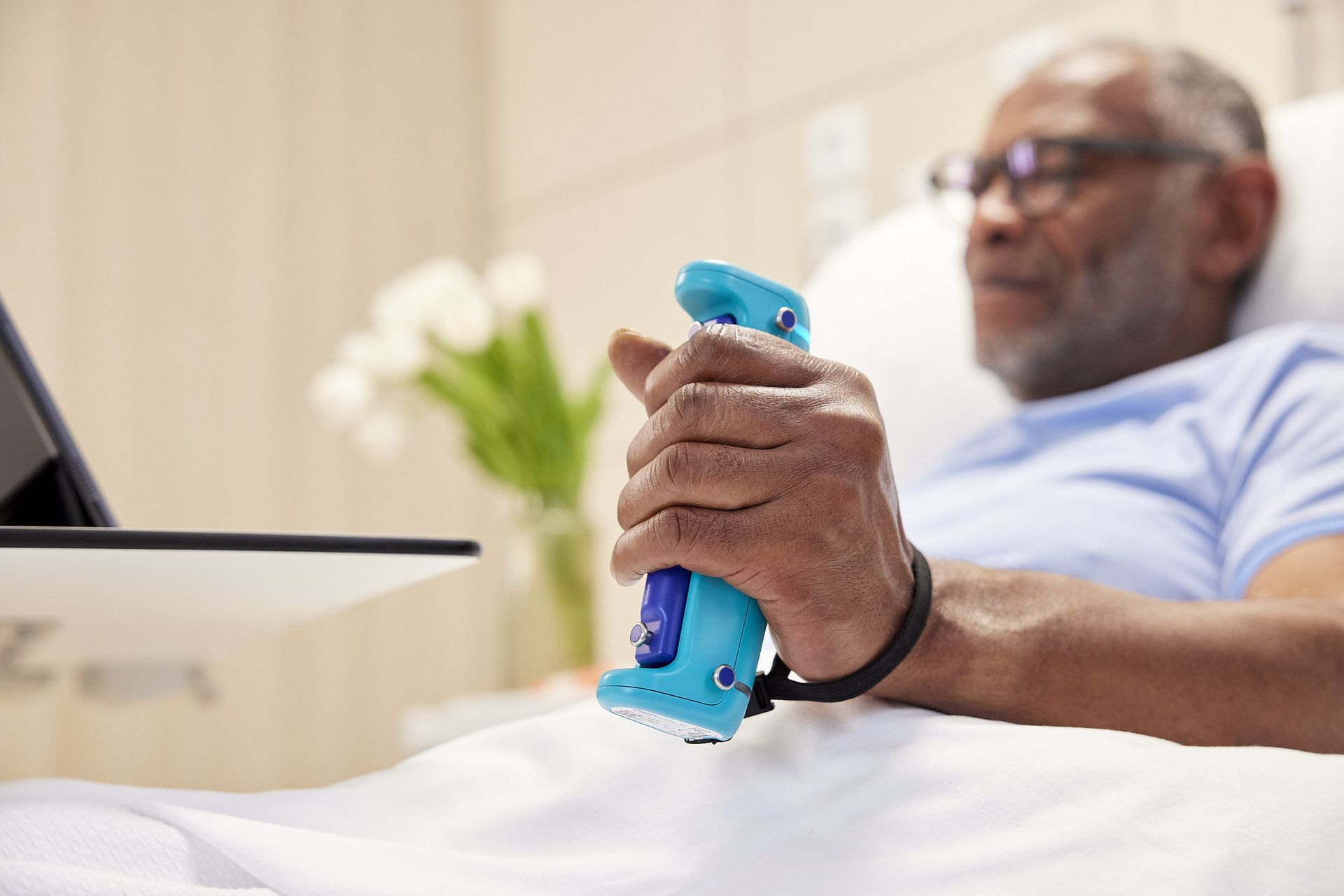
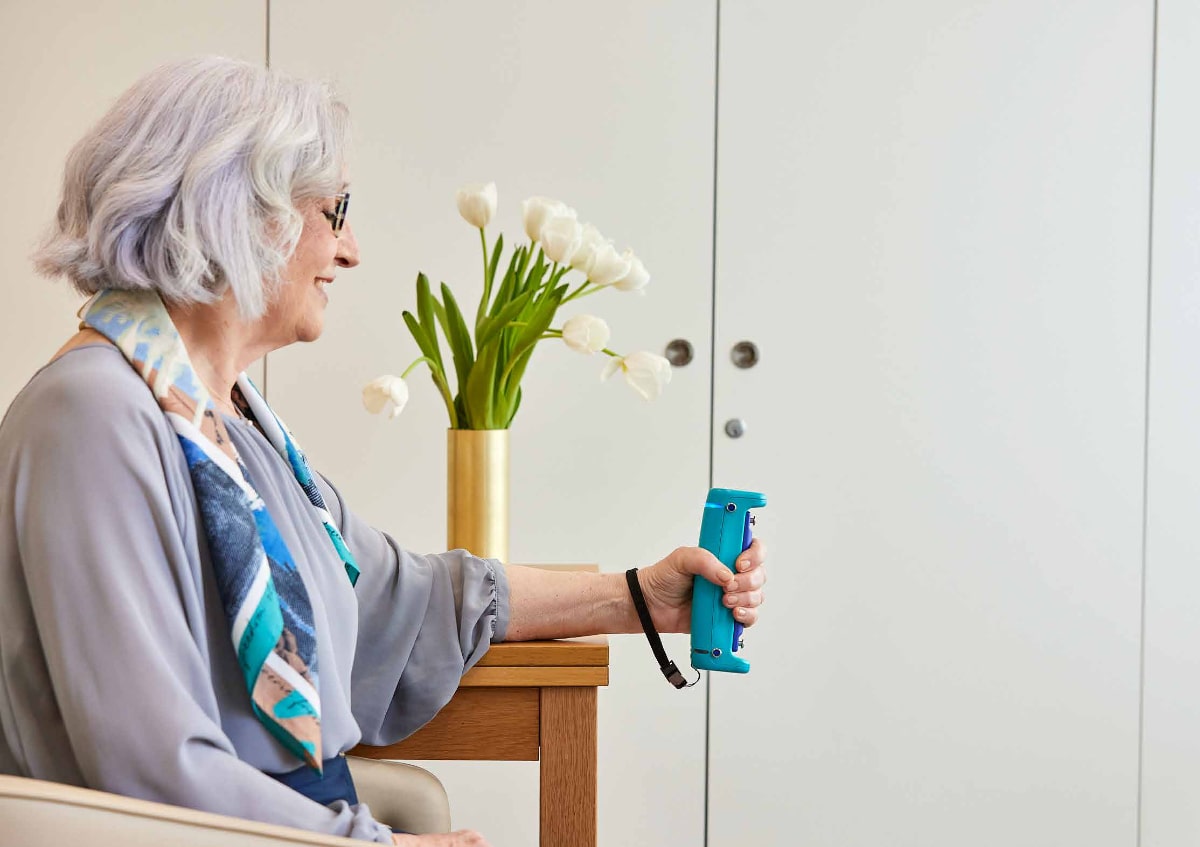
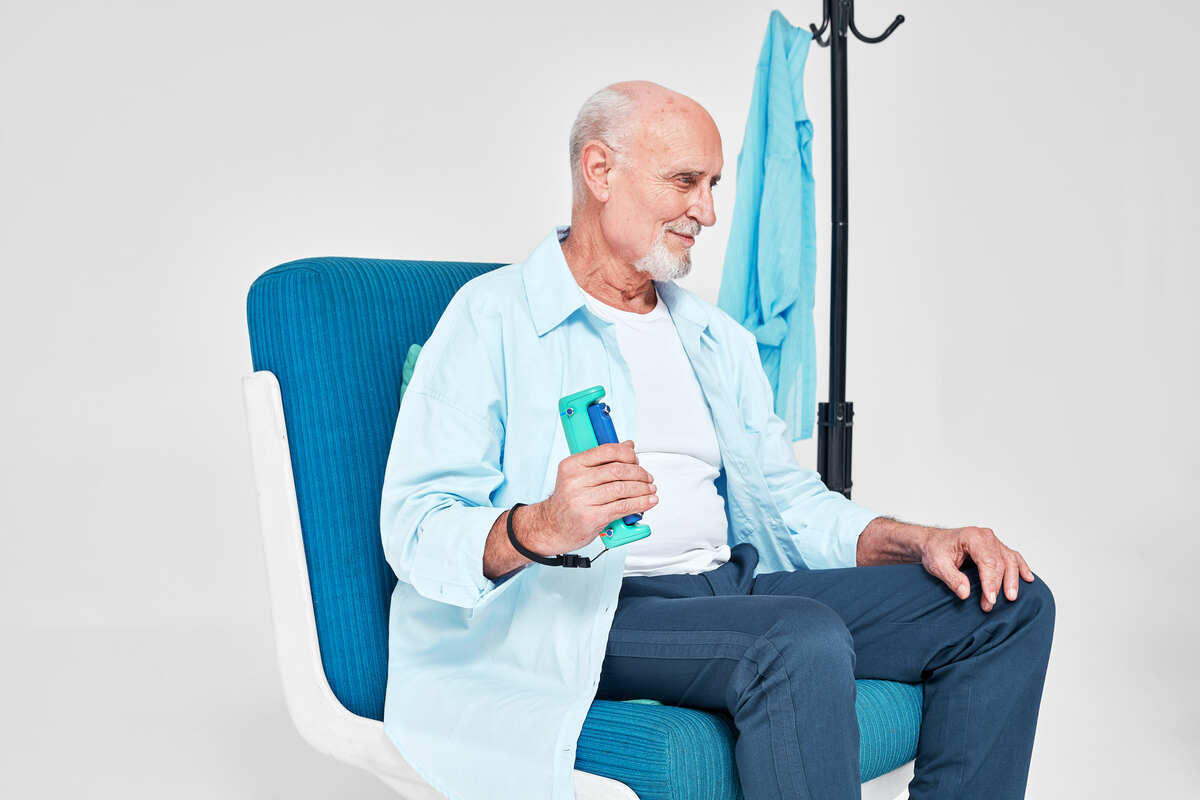
One in four adults over 65 falls each year. Able Assess is a 5-minute, in-home falls-risk screening that turns a vague fear of "what if they fall?" into a calm, concrete conversation.
Expert perspectives on falls prevention, functional assessment, and the future of senior care technology.

One in four adults over 65 falls each year. Able Assess is a 5-minute, in-home falls-risk screening that turns a vague fear of "what if they fall?" into a calm, concrete conversation.

Caregivers can look similar on paper. Able Assess is the physical, measurable, easy-to-demo tool that makes your value impossible to ignore — from first handshake to long-term client.

The UK's NICE released updated guidance (NG249) on falls prevention emphasizing early identification, comprehensive assessment, and personalised interventions.

Falls represent a significant injury risk with age, yet most are preventable. Able Assess is a screening tool evaluating balance, strength, and mobility.

If your Able Assess Falls Risk Screening shows you may be at increased risk of falling, don't worry, you're not alone – and there's a lot you can do to stay safe and independent.

Falls remain one of the most significant health risks in older adults – a leading cause of injury, hospital admission, and loss of independence. An individual's risk of falling is multifactorial, shaped by muscle strength, balance, mobility, and overall physical resilience.

The Chair to Stand Test measures lower limb strength and endurance, indicating mobility, balance, and independence in daily activities.

Walking speed serves as a simple yet powerful predictor of falls risk, functional decline, and early mortality.

The TUG test is a reliable, cost-effective assessment tool evaluating balance and functional mobility for fall risk screening.

Grip strength is emerging as a powerful biomarker for tracking GLP-1 associated muscle health decline. GLP-1-based therapies are central to managing type 2 diabetes, obesity, and cardiovascular risk.

Grip strength serves as a quick, non-invasive biomarker for tracking functional health. As the population ages, measuring functional health becomes increasingly critical.

Grip strength is an objective biomarker in observational and non-interventional studies for disease progression or recovery. Able Assess supports the use of grip strength as a validated, scalable outcome across the clinical research continuum.

Biomarkers are measurable indicators of biological state or condition. Learn how grip strength serves as a transformative biomarker addressing traditional healthcare limitations.

Grip strength assessment plays a vital role in sports performance medicine – helping clinicians, coaches, and sports scientists monitor fatigue, guide rehabilitation, and make informed return-to-play decisions.

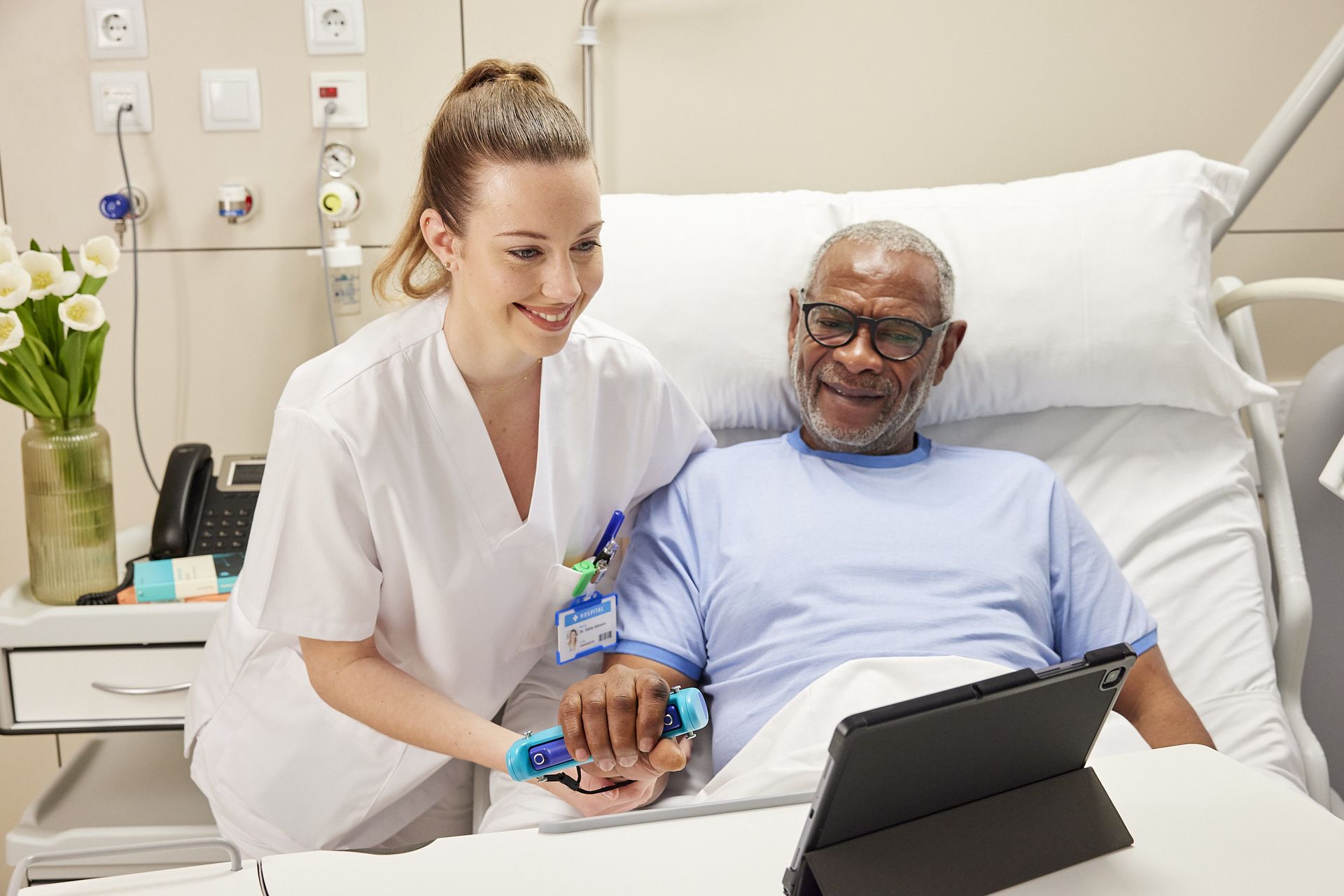
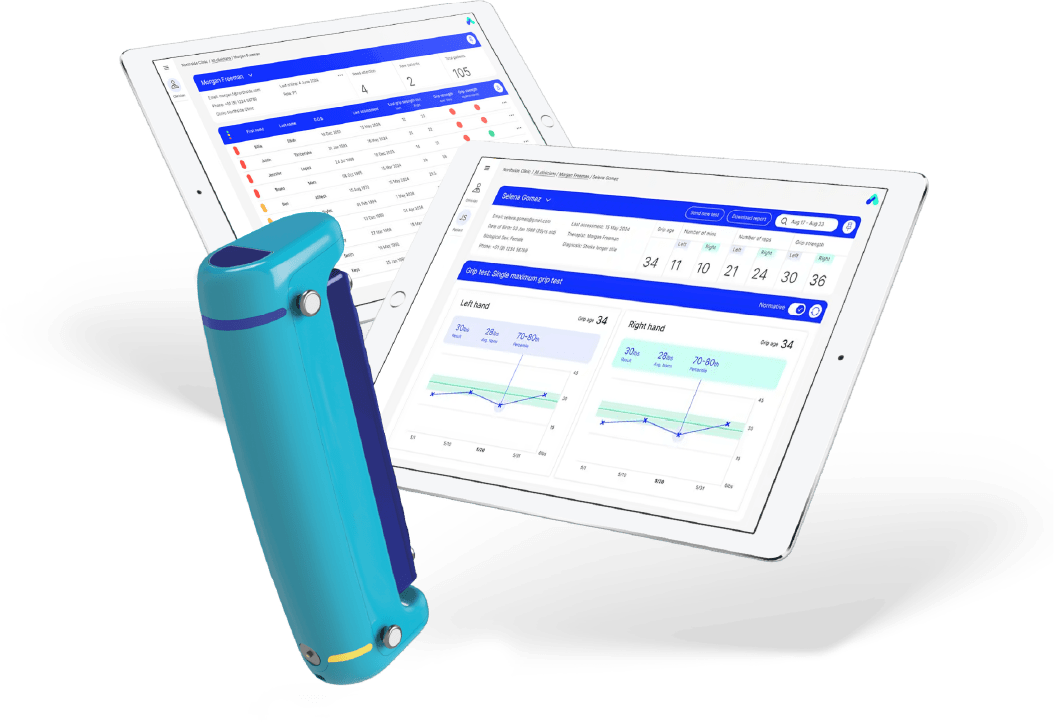
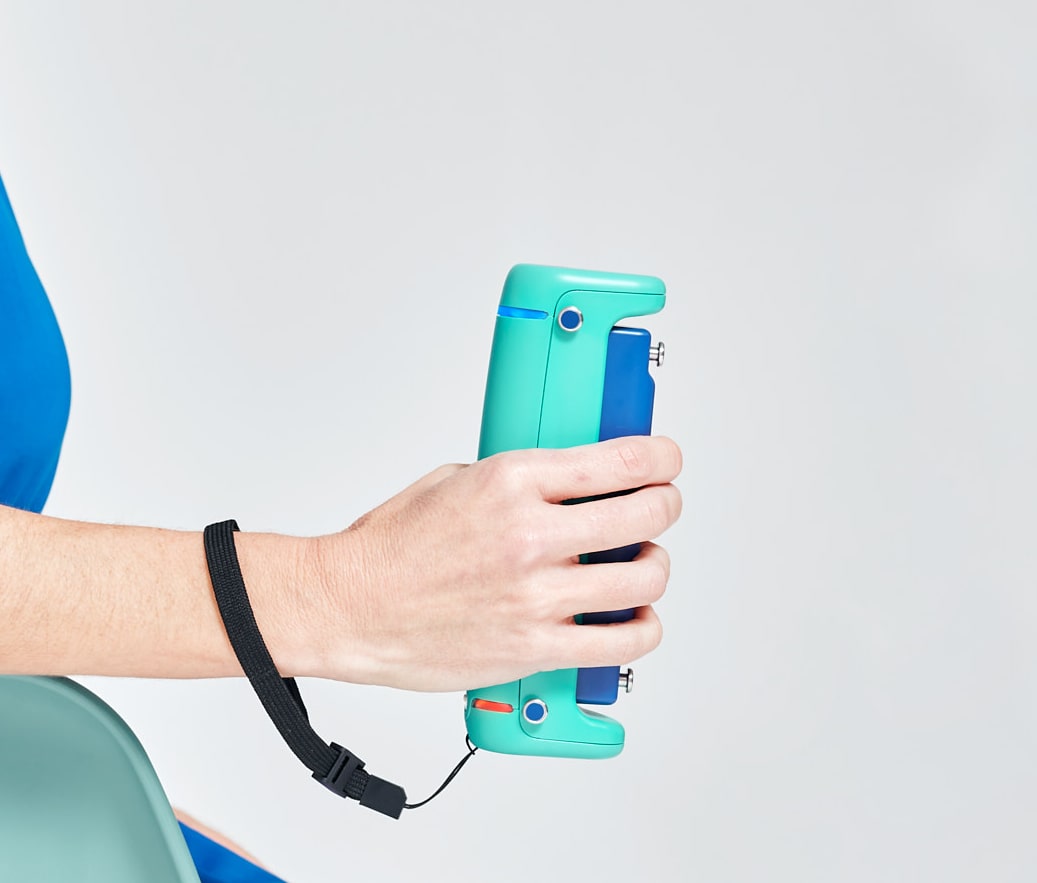
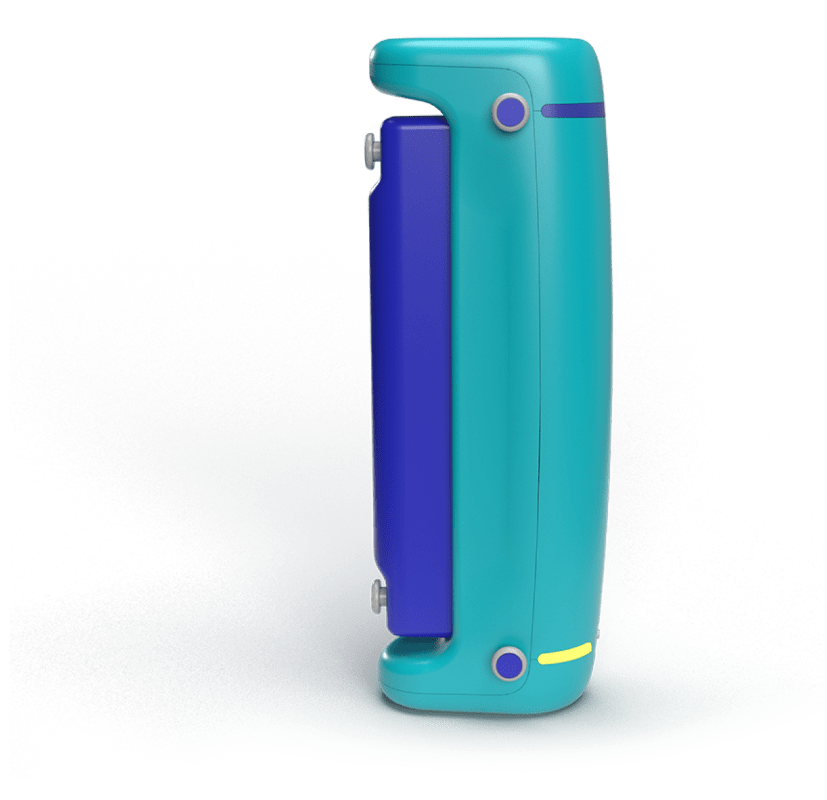
In this article, we explain the value of Able Assess as a fall risk assessment tool that measures four key metrics all in one sensor.

Grip strength is a powerful tool that supports precision, control and confidence across a wide range of sports. Most sports call on multiple grip styles, and being able to switch between them with ease is a mark of athletic skill.

Grip strength is a simpler, more objective measure than the 6-minute walk test, directly correlating with functional capacity and offering valuable insights into respiratory disease risk and progression.

Grip strength has emerged as an indispensable data point for assessing and monitoring patients with complex health conditions, including renal disease. The measurement of grip strength parameters in patients with renal disease provides a quick, non-invasive health gauge.

Imagine if a simple handshake could reveal a patient's readiness for surgery and predict their recovery. Hand grip weakness, or signs of losing hand strength, can be a valuable health indicator.

Grip strength is a reliable proxy for overall muscle strength. It is one of the earliest and most sensitive indicators of functional ageing, often declining long before traditional clinical markers change, making it a powerful tool for identifying individuals at risk before disease manifests.

Grip strength is a valuable metric for assessing cancer-related health changes, reflecting overall muscle strength impacted by the disease and its treatments. Muscle wasting, fatigue, and reduced physical activity lead to decreased grip strength, making it a critical indicator of a patient's physical status and the effectiveness of ongoing treatment.

Grip strength has emerged as an indispensable data point for assessing and monitoring patients with complex health conditions, including gastrointestinal disease. Chronic inflammation and malnutrition in GI disorders lead to systemic muscle wasting which is reflected by a reduced grip strength.

Grip strength has emerged as an indispensable data point for assessing and monitoring patients with complex health conditions. The measurement of grip strength in ageing patients provides a fast, non-invasive gauge of functional health as it is closely linked to sarcopenia and frailty.

Grip strength has emerged as an indispensable data point for assessing and monitoring patients with complex health conditions, including heart disease. Research indicates that grip strength is a more reliable predictor of cardiovascular disease than blood pressure.

Grip strength has emerged as a powerful biomarker for biological age, surpassing traditional metrics such as blood pressure in predicting risk of chronic disease, health outcomes and longevity.

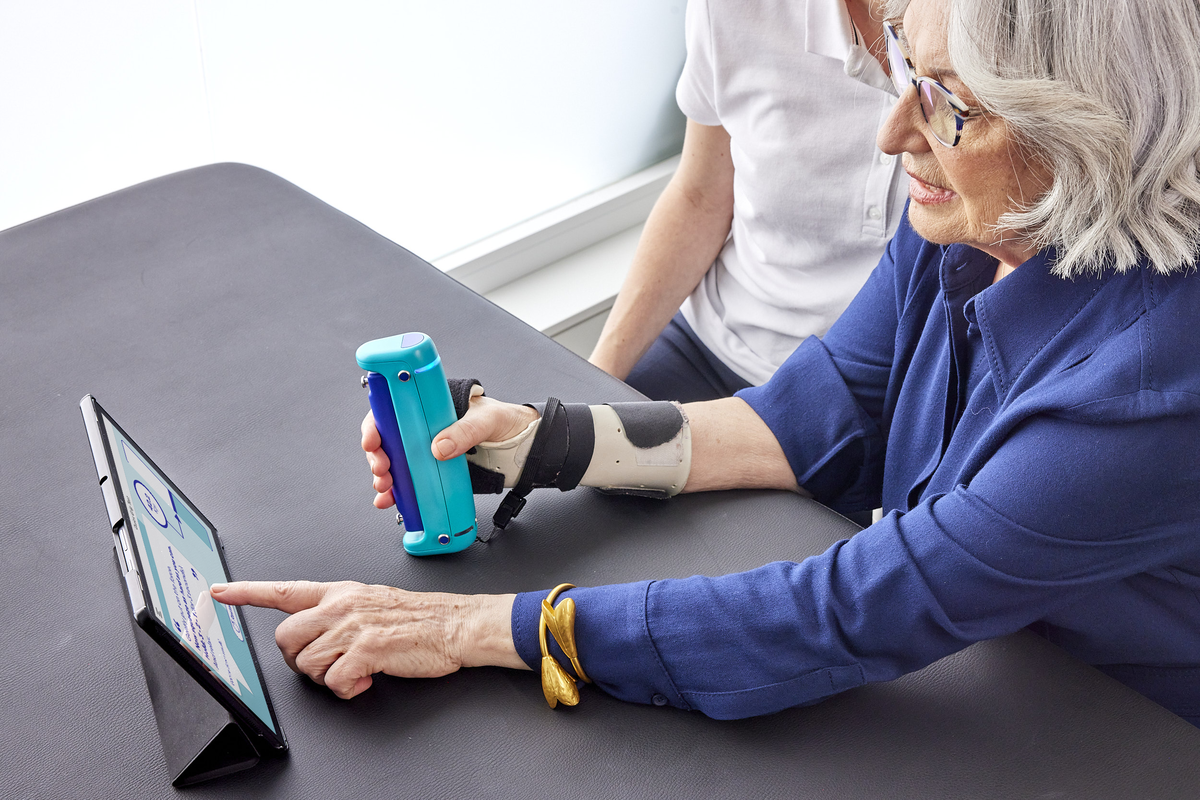
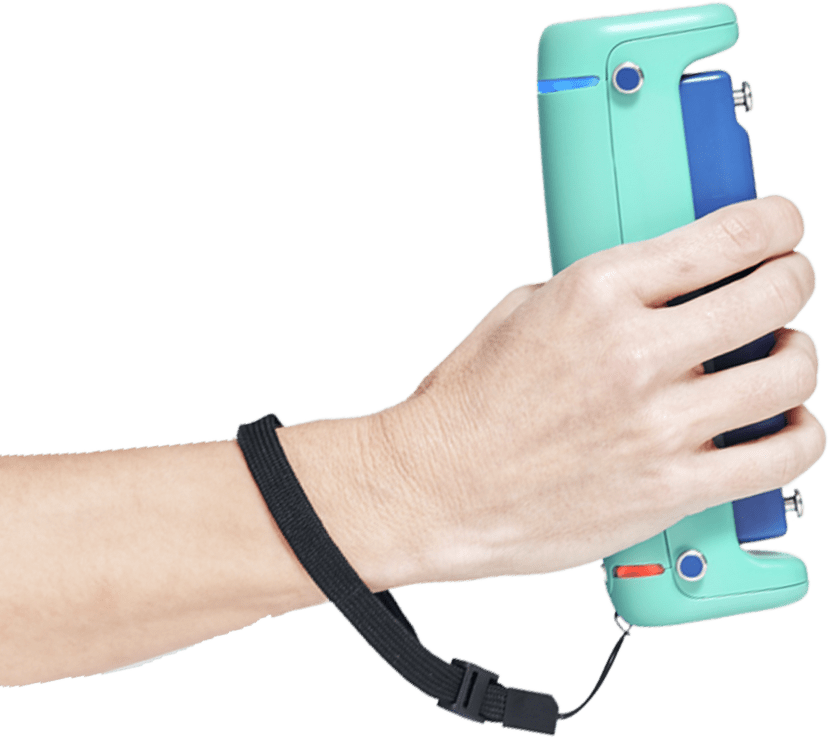
In this three step guide, we share all you need to know about grip strength and the GripAble hand dynamometer, including FAQs.