
Next Steps for Older Adults Flagged as Having a Fall Risk
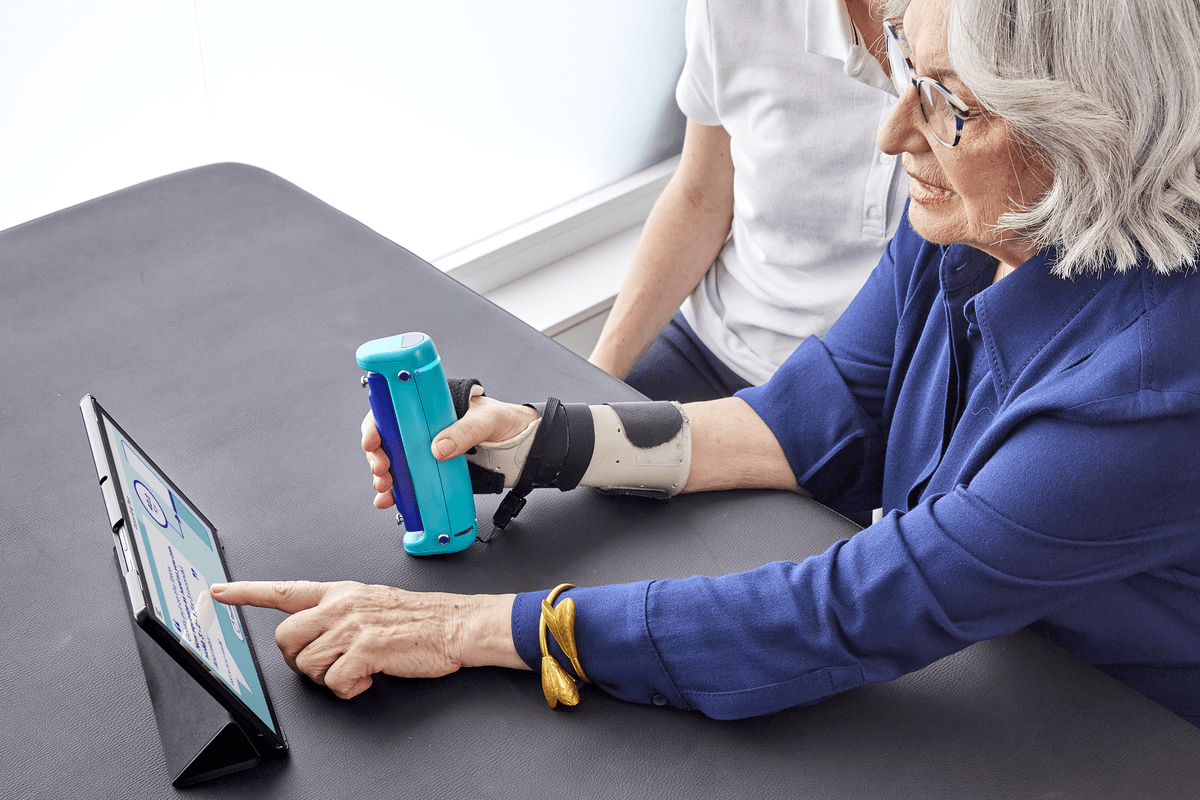
If your Able Assess Falls Risk Screening shows you may be at increased risk of falling, don't worry, you're not alone – and there's a lot you can do to stay safe and independent.
Next Steps for Older Adults Flagged as Having a Fall Risk
If your Able Assess Falls Risk Screening shows you may be at increased risk of falling, don't worry, you're not alone – and there's a lot you can do to stay safe and independent.
The good news is that most falls can be prevented by making small, practical changes to your daily routine and environment.
The National Institute for Health and Care Excellence (NICE) publishes clear UK guidance on falls prevention in NICE NG249 – the same evidence-based approach used in your Able Assess screening.
Below are some simple, effective steps to reduce your risk and protect your independence.
At Home
Your home is where you spend much of your time, so even small adjustments can make a big difference in preventing falls.
Supportive Footwear
Choose sturdy, well-fitting, non-slip shoes. Avoid slippers, flip-flops, or walking barefoot – these can make slips or trips more likely.
Home Safety
Look for potential trip hazards like loose rugs or cluttered walkways. Improve lighting in hallways and staircases, and consider adding grab bars or handrails in key areas such as bathrooms. Your local council may be able to arrange a home safety assessment through occupational therapy services.
Daily Movement
Regular, gentle activity helps maintain strength and balance. Walking, light stretching, or seated exercises all count – consistency is key.
Community Support
Join community-based exercise or balance programmes designed for older adults. Programmes such as the Otago Exercise Programme, Tai Chi, or local Strength and Balance classes have been shown to lower fall risk and improve confidence. Many are available through your local council, NHS or Age UK.
With Your Healthcare Team
Your GP and other healthcare professionals can help identify and address any medical or medication-related causes of falls risk.
Share Your Results
Bring your Able Assess Fall Assessment Report to your GP or physiotherapist. They can discuss your results with you and recommend next steps – for example, a falls clinic referral, physiotherapy, a home safety evaluation, or mobility aids if needed.
In most parts of the UK you can also self-refer to NHS physiotherapy without needing to see your GP first. Check what's available through your local NHS trust.
Health and Medication Review
Ask your GP or community pharmacist to review your medications and health conditions. Some medications – or combinations of them – can cause dizziness or drowsiness, increasing your risk of falling. Your GP may be able to adjust doses or suggest alternatives to improve safety.
Vision Care
Schedule regular eye tests. Good vision is essential for maintaining balance and avoiding obstacles. Updating your glasses prescription or addressing vision changes can help reduce your risk. NHS eye tests are free for adults over 60.
Stay Proactive
Falls prevention isn't a one-time effort – it's an ongoing part of staying healthy and active as you age.
It's recommended that older adults retest regularly to track changes in balance, mobility, and strength. This helps your care team see how your risk is changing and measure the impact of any new routines or treatments you've introduced.
The Takeaway
Being identified as at risk of falling doesn't mean you have to slow down – it means you have the information and tools to take control of your health.
By following simple, evidence-based steps at home and with your healthcare team, you can stay steady, confident and independent for years to come. All recommendations are based on NICE Guideline NG249 (Falls in older people — assessment and prevention). For more information, visit the NICE NG249 guidance page or Age UK's falls prevention resources.